
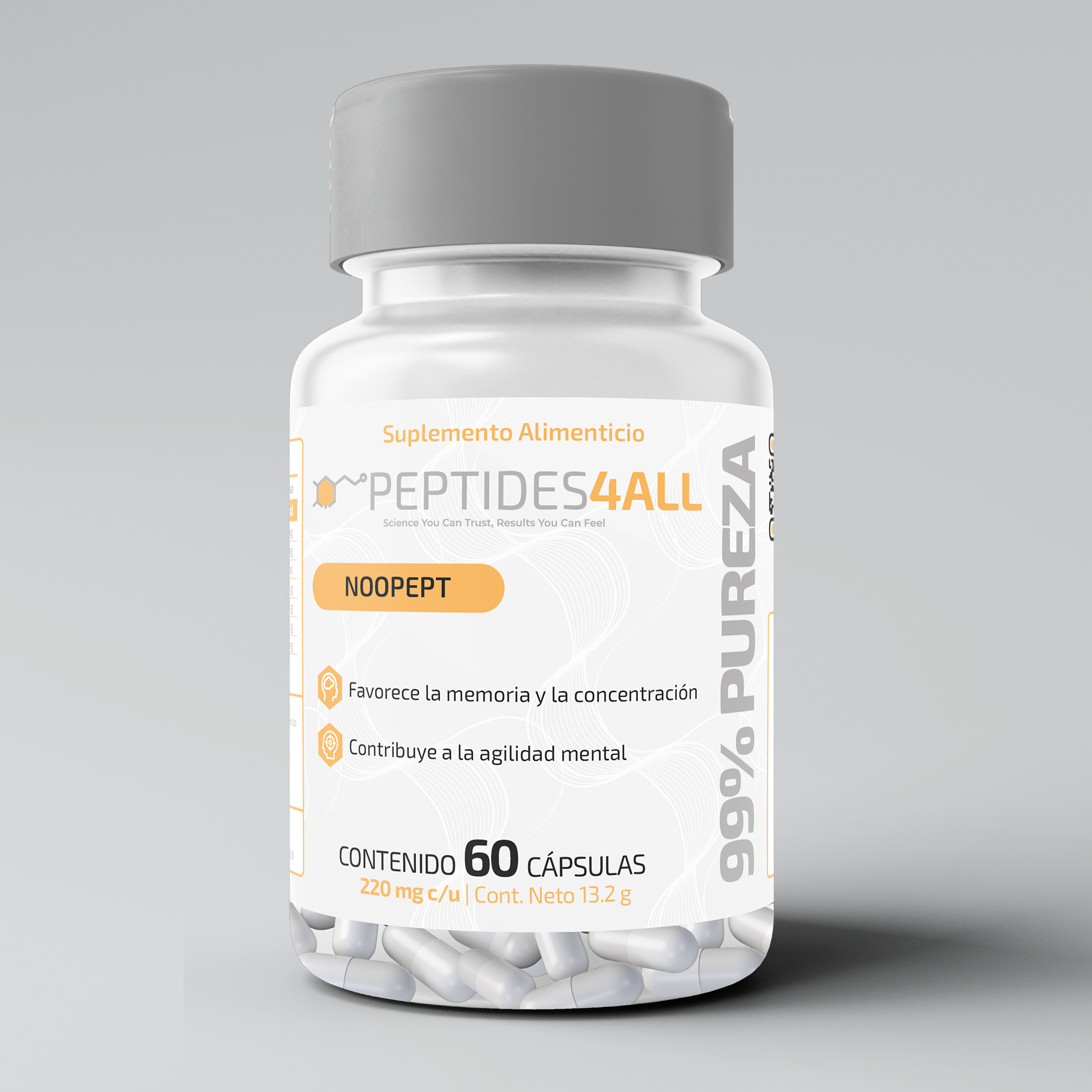
CAS Number: 157115-85-0
Format: Encapsulated Dipeptide Reagent
Chemical Description
Noopept is a proline-containing dipeptide chemically designated as N-phenylacetyl-L-prolylglycine ethyl ester. It functions as a prodrug that metabolizes into the endogenous neuropeptide cycloprolylglycine. In biochemical research, Noopept is investigated for its capacity to modulate the DNA-binding activity of Hypoxia-Inducible Factor 1 (HIF-1) and its downstream effects on neurotrophin expression. It is a key reagent for modeling synaptic plasticity mechanisms and cellular stress responses in vitro.
Research Applications
This compound is strictly for laboratory research use in the study of:
- Neurotrophic Factor Expression: Quantification of mRNA and protein levels of NGF and BDNF in neuronal cell lines (e.g., PC12, SH-SY5Y) following peptide exposure.
- Excitotoxicity Modeling: In vitro analysis of intracellular calcium ion homeostasis and mitochondrial membrane potential in neurons subjected to glutamate stress.
- Synaptic Plasticity Markers: Research into the modulation of kinase signaling pathways involved in Long-Term Potentiation (LTP) models.
Technical Specifications
- Molecular Formula: C17H22N2O4
- Molecular Weight: 318.37 g/mol
- Purity: >99% (Active Ingredient)
- Format: Research Capsule (Pre-measured for laboratory precision)
- Solubility: Soluble in alcohol and organic solvents
{% if product.metafields.custom.analysis %}
</shopify-token>#toolbar=0"
style="position:absolute; top:0; left:0; width:100%; height:100%; border:none;">
{% endif %}
Presentation & Handling
- Form: Oral capsules.
- Storage: Store in a cool, dry environment, away from heat, light, and moisture.
Disclaimer: For Research Purposes Only
This content is provided strictly for laboratory research purposes and does not constitute an endorsement or recommendation for any non-laboratory application. The information provided regarding specific peptides is for educational and informational purposes only and must not be construed as medical, clinical, or legal guidance, nor as an encouragement for use in humans or animals.
Peptides described here are solely for use in structured scientific study by qualified researchers. We advise consulting with laboratory safety officers or research experts prior to handling these materials. The expectation of responsible, ethical utilization of this information for legitimate investigative and scholarly objectives is paramount. This notice governs all content on this site.